
 Fina's House
How to Organize Home Documents Step-by-Step
Finding any paper in thirty seconds is possible. We'll show you a simple, hybrid system to organize all your home documents.
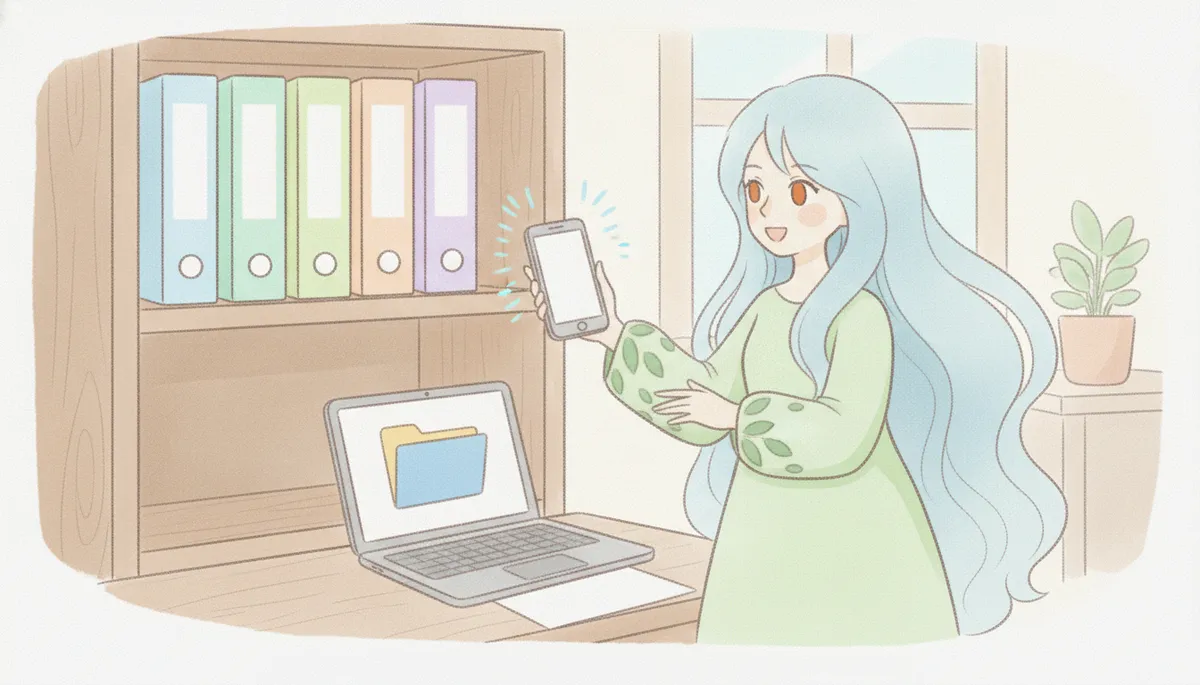
The Real Goal of Organizing Your Papers
The purpose of this system isn't to have a pretty archive, but to be able to find any paper in thirty seconds. We need to know what to keep, get rid of what's unnecessary, and reduce the anxiety of not knowing where each item is.
You must avoid the common mistake of filing without a system, keeping things out of fear, mixing categories, and turning the space into a paper graveyard. To achieve this, we'll use a hybrid approach inspired by organization methods adapted to documents.
This system is structured around three basic pillars: a safe place, a fixed structure of categories, and a short routine for new documents that arrive home.
- Find any paper in thirty seconds
- Avoid keeping things out of fear or mixing categories
- Rely on a safe place and a fixed structure
- Maintain a short routine for new documents
Initial Management and Digitalization at Source
The first step is to contact utility companies, banks, and entities that still send bills or communications by postal mail. Switch them to digital format via email to reduce the amount of physical paper entering your home.
Set up an inbox, a mailbox, or a catch-all drawer in an accessible place, like the entryway. This is where you should temporarily deposit all postal mail, flyers, or papers that arrive home.
Establish a regular routine, for example, once a week, to check this inbox, process the documents, and empty the drawer with a wastebasket very close by.
- Switch bills and communications to digital format
- Create an accessible inbox in the entryway
- Review and process papers once a week
- Keep a wastebasket nearby when emptying the temporary inbox
Practical Categories for Organizing Home Papers
For the archive to work, divide all your documentation into seven fixed categories. This way, you'll always know exactly where each new paper that comes into your hands belongs.
The categories cover all aspects of the home and allow for immediate retrieval if needed.
- Identity: critical and essential documents that must always be kept, such as birth certificates, ID cards, passports, and academic degrees.
- Property: deeds, purchase or rental agreements, mortgage documents, and associated insurance policies.
- Car: vehicle documentation, insurance, and regular maintenance records.
- Health: relevant medical history, important reports, and prescriptions.
- Bank: bank contracts, statements, and financial communications.
- Taxes: tax returns and supporting documents.
- Warranties: receipts and warranty documents for appliances and purchased items.
Physical vs. Digital Folders
For physical paper, use binders, ring binders, accordion files, hanging folders, or dividers to classify documents by fixed categories. Using dividers, plastic sleeves, and clear labels facilitates quick retrieval and protects documents from creases or stains.
The digital format is ideal for reducing clutter at home. When naming digital files practically, it's recommended to follow a standard numerical date format like Year, Month, and Day to facilitate chronological order and search.
Use your phone's camera or scanning apps to digitize receipts, bills, and short-lived operational documents that arrive in physical format, integrating them directly into digital folders organized by category.
- Use binders and plastic sleeves for physical paper
- Name digital files with the date: Year, Month, Day
- Scan everyday receipts and bills with your phone
- Back up digital files to the cloud or external storage
What to Throw Away and How to Destroy Papers with Personal Data
You should discard advertisements, flyers, and expired coupons or notes. Permanently keep only vital documents that never expire, such as deeds, academic degrees, birth certificates, and wills.
Keep tax and commercial documents for the period required by regulations. In Spain, there is a general tax statute of limitations of four years according to the General Tax Law, or up to ten years in special cases involving verification of deductions or specific bases. Six years are also considered under commercial criteria from the Commercial Code. Dispose of them once this period has passed to comply with data protection regulations.
Avoid throwing documents containing sensitive, financial, or personal information directly into the trash to comply with the General Data Protection Regulation requirements. Use a paper shredder or secure cutting systems to physically destroy these items once their legal retention period has expired and to avoid penalties for improper personal data management.
- Discard advertising and expired notes
- Keep vital documents permanently
- Respect legal retention periods for tax and commercial documents
- Destroy papers with personal data using a shredder
Frequently asked questions
How long should I keep tax papers?
The general tax statute of limitations in Spain is four years according to the General Tax Law, although it can be up to ten years in special cases involving verification of deductions or specific bases.
How should I name scanned files on my computer?
It is recommended to follow a standard numerical date format, indicating the year first, then the month, and finally the day to facilitate chronological order and quick searching.
What documents should I keep forever without ever throwing away?
Vital documents that never expire, such as property deeds, academic degrees, birth certificates, and wills.
Is it mandatory to use a shredder for old papers?
Yes, to comply with the General Data Protection Regulation and avoid penalties for mismanagement, you must use a shredder or secure cutting systems for papers containing personal data.

«Good thing I kept my ID card in its place and not at the bottom of a drawer, or I wouldn't even be able to go out for bread today.»
View VitaLife on Google Play